
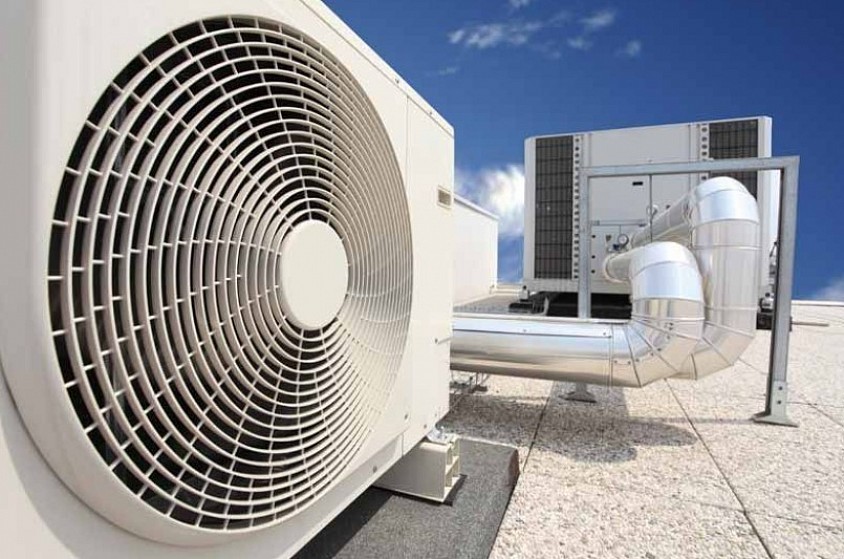
Winter readiness and the homeowner’s guide to effective furnace repair
A reliable heating system matters most when outdoor temperatures dip and households lean on comfort and safety. Understanding how FURNACE REPAIR fits into seasonal readiness can help homeowners prevent breakdowns, improve efficiency, and protect indoor air quality. The following guide explains practical steps and insights that align with what homeowners experience when heat demand surges.
1. Recognize early warning signs
Heating issues often begin subtly. Uneven room temperatures, short cycling, unusual noises, and rising utility bills can all indicate the need for timely FURNACE REPAIR. Addressing small concerns promptly minimizes wear on components and prevents minor faults from escalating into extended downtime during the coldest weeks.
2. Prioritize airflow and filtration
Restricted airflow strains the entire system. Regular filter changes support efficient heat circulation, reduce dust accumulation on internal parts, and help maintain healthy indoor air. If airflow seems weak at vents, it may point to blocked returns, partially closed dampers, or a blower issue that warrants focused diagnostics and potential FURNACE REPAIR to restore proper performance.
3. Protect heat exchangers and burners
Combustion areas demand consistent attention. Soot buildup, misaligned burners, or improper ignition can reduce heat transfer and affect safety. Technicians typically examine flame characteristics, ignition timing, and sensor responsiveness to diagnose concerns. Correcting combustion irregularities through precise FURNACE REPAIR promotes stable heating and reduces the risk of shutdowns under heavy load.
4. Optimize thermostat strategy
Thermostats serve as the system’s command center. Calibration errors or outdated programming can trigger unnecessary cycling or missed set points. Verifying accurate readings, updating schedules for weekday and weekend routines, and confirming proper placement away from drafts or heat sources can mitigate performance issues that might otherwise be mistaken for larger mechanical failures.
5. Address electrical and control reliability
Loose connectors, aging relays, and sensor drift can cause intermittent operation. Electrical inspections often include checking spade terminals, control boards, and safety switches to ensure signals reach components consistently. When faults appear sporadically, methodical testing and targeted FURNACE REPAIR can restore dependable communication between controls and moving parts.
6. Evaluate venting and combustion air
Proper venting supports safe operation and complete combustion. Blocked exhaust passages or insufficient makeup air can lead to nuisance lockouts and diminished efficiency. Clearing obstructions, confirming slope and connections, and ensuring adequate airflow paths are essential steps. Where warning codes or recurring shutdowns occur, careful investigation and necessary FURNACE REPAIR help reestablish stable venting dynamics.
7. Balance comfort and efficiency
Reliable heat is more than just reaching a temperature set point; it is also about consistency across rooms. Drafts, heat loss at windows, and unbalanced distribution can create hot and cold spots that push the system harder than necessary. After ruling out duct restrictions or equipment faults, balancing strategies and prudent envelope improvements can ease the load and support outcomes achieved through FURNACE REPAIR.
8. Plan seasonal checkups
Heating equipment benefits from proactive attention before peak demand. A seasonal review looks at ignition reliability, blower performance, safety sensors, and airflow. This approach allows time to address emerging issues, verify performance under steady operation, and schedule any needed FURNACE REPAIR before winter weather puts added pressure on components.
9. Document maintenance history
Tracking filter changes, parts replacements, and operational notes creates a roadmap for future decisions. A clear history helps identify patterns, estimate component life, and prioritize work that most effectively improves comfort and efficiency. When symptoms recur, documented timelines can expedite accurate diagnosis and appropriate FURNACE REPAIR.
10. Know when to pause DIY efforts
Basic homeowner tasks like filter changes and thermostat programming are valuable. However, combustion, electrical, and control diagnostics require specialized tools and training. If unusual odors, persistent error codes, or repeated shutdowns occur, pausing DIY troubleshooting and focusing on comprehensive FURNACE REPAIR safeguards equipment and household safety.
A thoughtful approach to heating care blends vigilance, timely intervention, and consistent documentation. By recognizing early signs, supporting airflow, safeguarding combustion, and confirming reliable controls, homeowners can keep heat steady through the season. With methodical attention, FURNACE REPAIR becomes a predictable, manageable step on the path to resilient winter comfort.
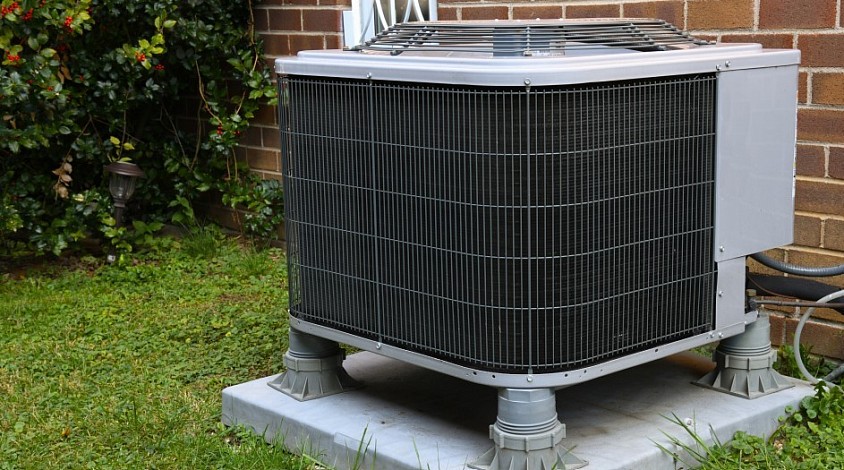
When Quick AC Fixes Matter: Emergency AC Repair Readiness
Stifling summer heat can turn a minor air conditioning hiccup into a serious comfort and safety concern. Knowing how the HVAC field approaches urgent cooling issues helps homeowners reduce downtime and protect their systems from further damage. The following points outline practical, industry-aligned guidance for navigating sudden cooling failures, with an emphasis on safe steps and realistic expectations when seeking emergency ac repair.
1. Recognize true emergencies
Some problems demand immediate attention. Signs include warm air blowing despite a running system, frequent short cycling, breaker trips that won’t reset, burning odors, or unusual noises such as grinding or screeching. Water leaks around indoor equipment can also be urgent, since moisture can damage flooring, walls, or electrical components. Distinguishing between a comfort inconvenience and a genuine hazard helps prioritize timely help and prevent costlier failures.
2. Take safe first steps before calling
If the system stops cooling, verify the thermostat is set to cool, replace a clogged return filter, and confirm supply vents are open. Check that the outdoor unit is free of debris and that breakers are not tripped. If a breaker repeatedly trips, avoid further resets to prevent electrical risk. These simple checks can resolve minor issues and give clear information when you request emergency ac repair.
3. Protect the system—and your home
Shut the system off if you detect electrical odors, smoke, or persistent breaker trips. If you see ice on the refrigerant lines or evaporator coil, switch the system to fan-only to encourage a controlled thaw and avoid compressor strain. Place towels or a shallow pan under indoor equipment if you notice condensate overflow. Preventing additional damage while awaiting help conserves system life and reduces cleanup needs.
4. Understand common urgent culprits
Typical urgent problems include failed capacitors that prevent motors from starting, clogged condensate drains that trigger water alarms or leaks, refrigerant leaks that cause icing and poor cooling, and contactor issues that stop the outdoor unit from engaging. Even a severely clogged filter can lead to coil icing and shutdowns. When describing symptoms, include sounds, smells, visible ice, or water—clear detail speeds accurate diagnosis during emergency ac repair.
5. Share environment and access details
Small details help technicians prepare. Provide the system’s location (attic, closet, crawlspace), ceiling height near air handlers, ladder requirements, pet considerations, and gate or community access instructions. If parking is tight, share guidance that eases equipment transport. Efficient access can shave valuable time off the visit and reduce disruption inside the home.
6. Improve airflow and indoor comfort while waiting
Close blinds or curtains on sun-exposed windows, seal exterior doors, and run ceiling fans counterclockwise to enhance perceived cooling. Avoid heat-generating activities, like baking or extended hot showers, which raise indoor humidity and load. If safe to do so, operate portable fans for airflow and comfort. Thoughtful interim steps help stabilize indoor conditions until the system is restored.
7. Prioritize preventive habits after the fix
Once urgent issues are addressed, adopt habits that reduce the chance of another sudden breakdown. Change filters regularly, keep the outdoor coil clear of leaves and grass clippings, and ensure proper condensate drainage. Listen for new or recurring noises and address them early. Gentle landscaping around the condenser preserves airflow, and periodic professional inspections can catch wear before it escalates into an emergency.
8. Know what information to keep on hand
Record model and serial numbers, filter sizes, breaker locations, and any recent work performed. Keep a brief log of symptoms, including when they started, what you tried, and any changes in performance. Organized details empower faster troubleshooting and more efficient emergency ac repair, especially during peak heat when quick, accurate service is essential.
A cooling outage can be stressful, but a calm, informed response protects your home and equipment. Recognize urgent warning signs, take safe preliminary steps, and prepare essential information before you make the call. After service, consistent upkeep and attentive listening to your system reduce the likelihood of repeat failures and help maintain reliable comfort through the hottest stretches of the season.